At Pool Supply Unlimited we have seen the damage that unbalanced water can cause when in contact with concrete, grouting and metals like copper and steel. Water can either corrode such surfaces or deposit a white film or crusty, coarse substance called scale. The two types of unbalanced water conditions are corrosive and scaling.
Corrosive water is "aggressive" and attempts to dissolve concrete and metals, pitting concrete and destroying steel filters and copper heat exchangers. A tell-tale sign of corrosive water is staining, which is the deposit on the pool's surface of colored metal salts of iron (brown) or copper (blue/green/grey/black). Scaling water does the opposite. It attempts to deposit or precipitate calcium carbonate out of solution, causing a white film or rough, unsightly deposits on pool surfaces, and possibly plugging the filter and circulation piping.
Pool Supply Unlimited can help keep your pool water in balance with the right pool chemicals to avoid unnecessary and costly repairs. This is accomplished by controlling the parameters that determine water balance. The factors are pH, calcium hardness, total alkalinity, temperature and total dissolved solids (TDS). The main focus should be on pH, calcium hardness and total alkalinity.
pH
pH is a scale of measurement that was invented in the early 1900s for checking the acidity of water when brewing beer. pH is measured on a scale from 0-14 and can be tested by a number of test kits available from Pool Supply Unlimited. pH is neutral at a measurement of 7.0. Below 7.0, the water is acidic and above the water is alkaline (basic). The recommended pH for pools is 7.5 which matches the pH of the human eye.
Low pH Pool Problems
- Corrosive Water
- Pitting of concrete
- Metals dissolve
- Surface staining
- Chlorine loss
- Vinyl wrinkles
- Skin/eye irritation
High pH Pool Problems
- Scaling Water
- White film/crusty deposits
- Plugged filters
- Reduced circulation
- Cloudy pool
- Chlorine inefficiency
- Skin/eye irritation
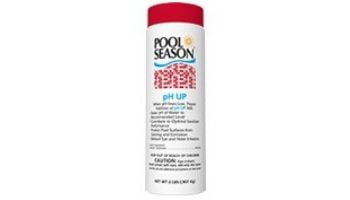
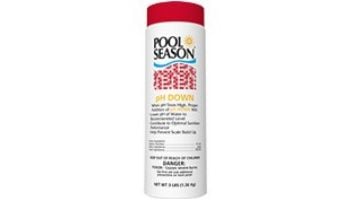
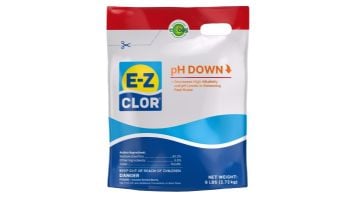
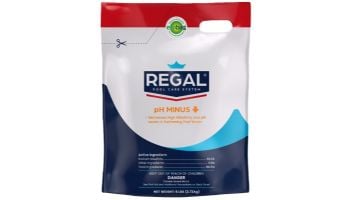
Low pH Solution= ph Increaser | High pH Solution= ph Decreaser